Faith: Encounters with Spiritual Journeys
“Faith is taking the first step even when you don’t see the whole
staircase”
Martin Luther King Jr.
About the project
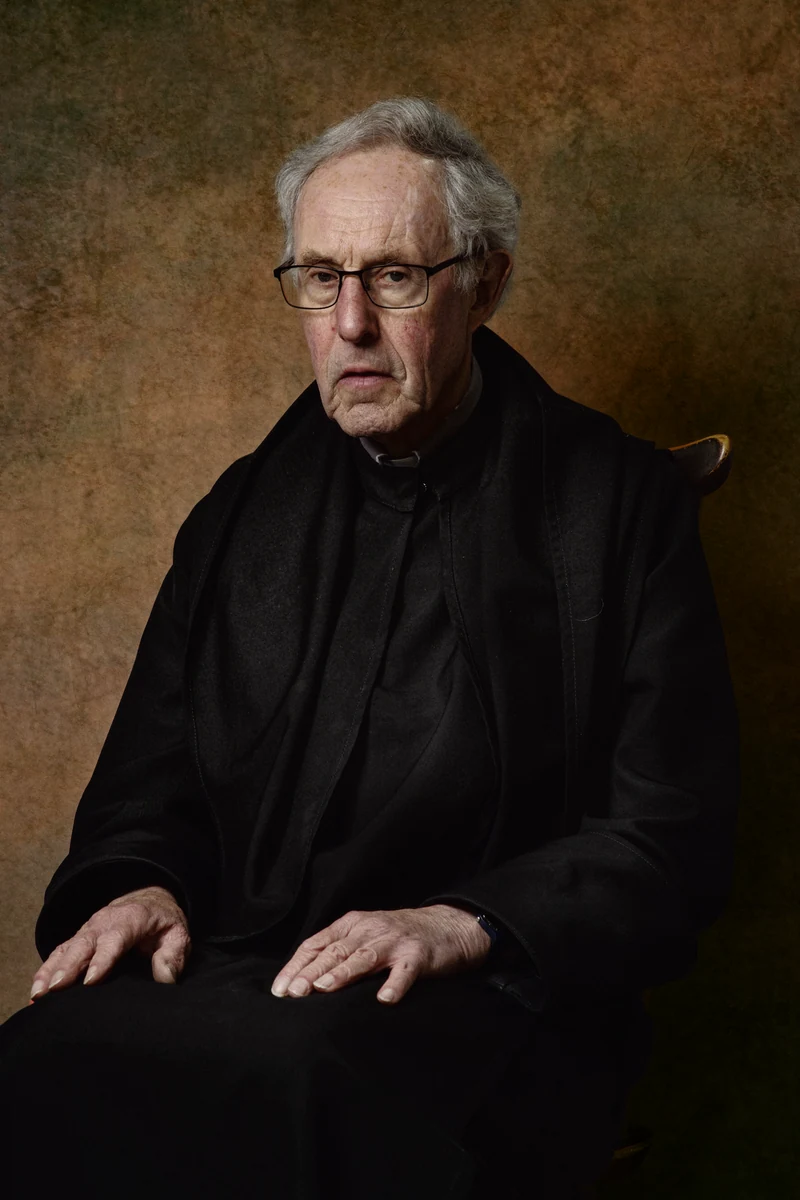
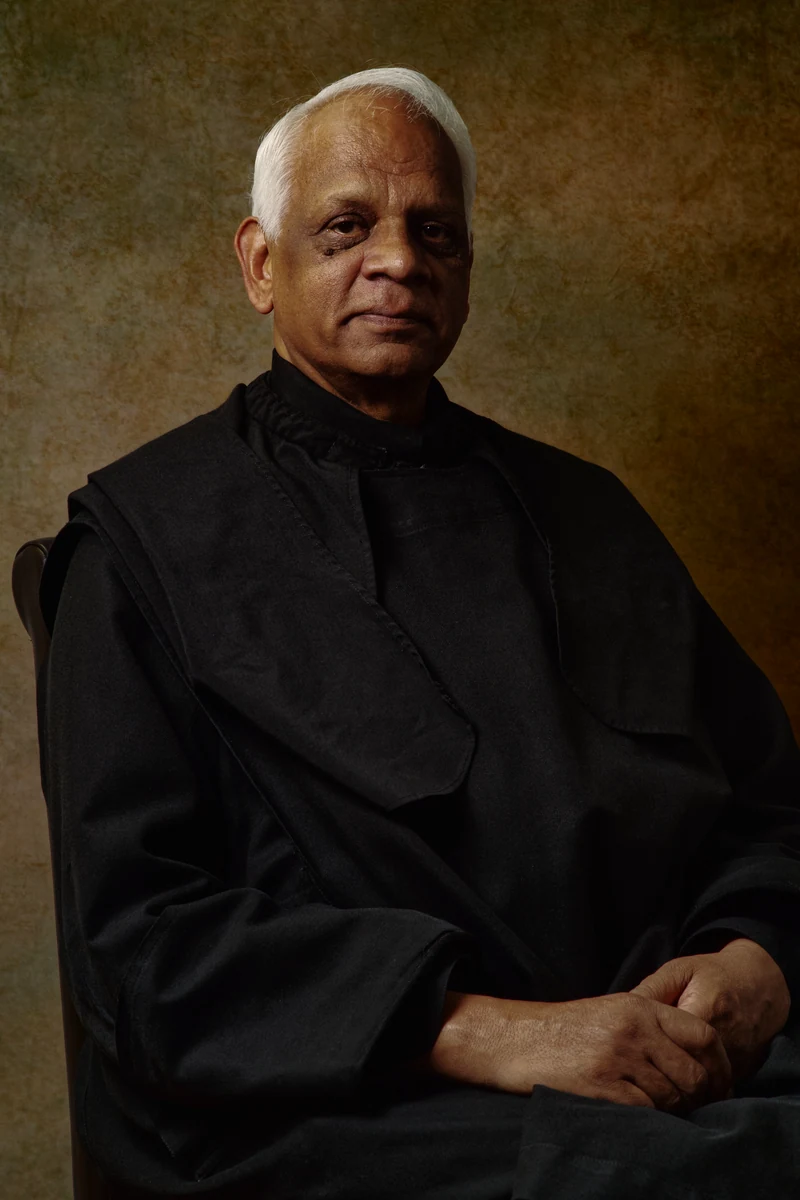
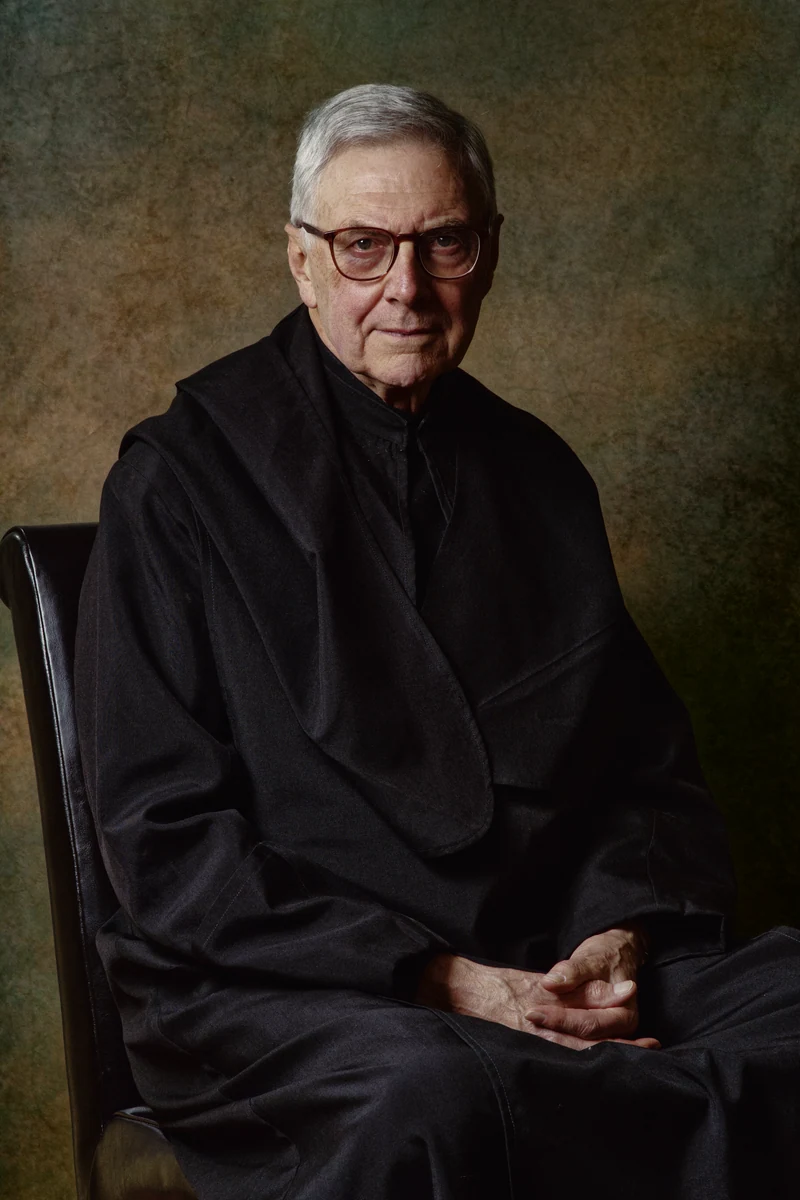
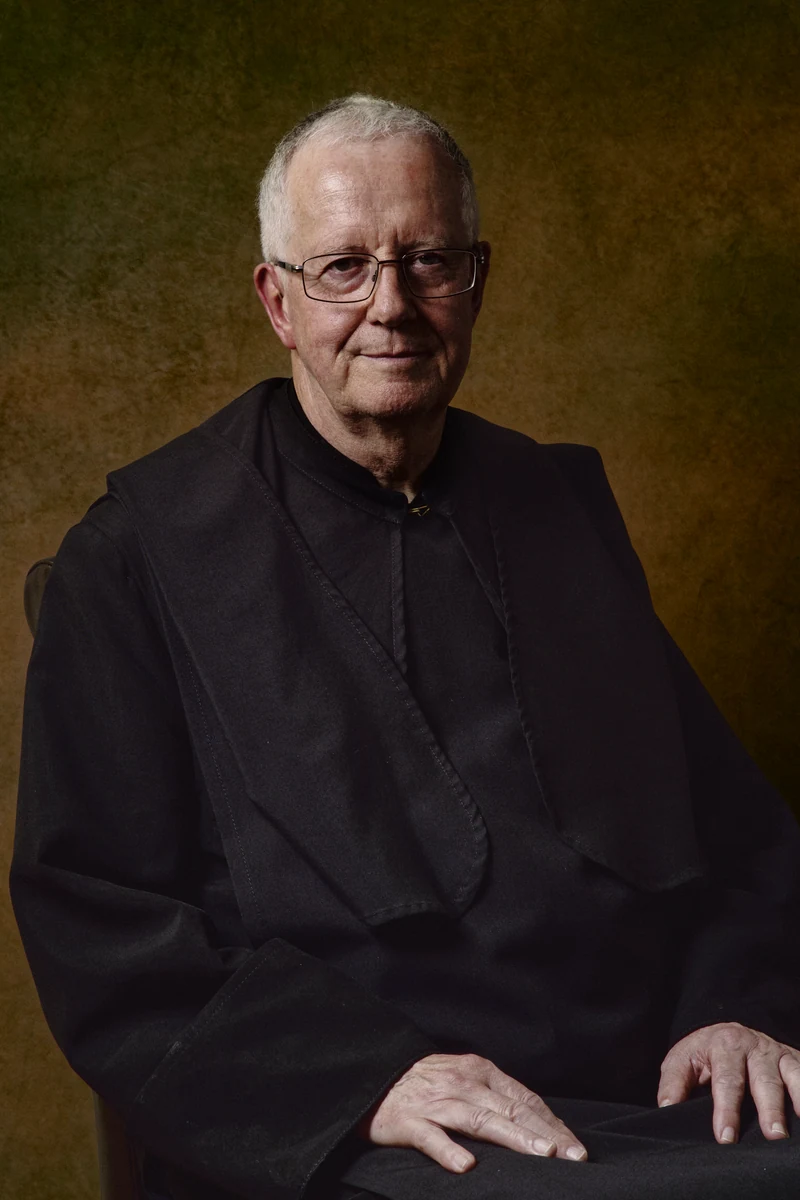
I’ve long been captivated by those with deep faith—people who carry a conviction so profound it needs no external validation. This project, Faith, is not just a photographic exploration; it’s a journey to understand what sustains such devotion and the shared qualities and common threads that connect lives centred on spirituality.
Through my lens and conversations with people of different religions, I attempt to uncover what drives individuals to embrace a life of prayer, solitude, and service. A broader aim is to find the universal qualities of faith that span more religious paths—the shared inner call that leads people to devote their lives to something greater, often in isolation.
What compels someone to choose this path? What commonalities exist among those who live by faith, no matter their religion or tradition? In these encounters with deeply fascinating people and spiritual stories, I hope to find not just answers, but insights into the timeless and universal human drive for spiritual depth and connection. Through these images, I invite you to join me in exploring the quiet yet powerful lives of those who believe.
The Benedictine order
The Benedictine order, founded by Saint Benedict of Nursia in the 6th century, is a longstanding pillar of monastic life within Christianity. Rooted in humility, communal living, and deep devotion, Benedictine monks adhere to the guiding motto Ora et Labora—prayer and work—creating a life that balances reflection and purposeful action amid a world of constant change.
Becoming a Benedictine monk involves a lifelong commitment to three vows: stability (pledging to remain within the community), personal conversion, and obedience. These vows shape and deepen the monk’s spiritual path within his monastic family. The Rule of Saint Benedict, a foundational text, offers detailed guidance on communal life, encouraging discipline, shared purpose, and mutual support.
Monastic life is structured around prayer and study, with monks dedicating around four hours daily to the "divine office"—a series of prayers—and another four to reading Scripture. Saint Benedict also considered manual labor essential, seeing it as a form of holy prayer. Each monk receives work assignments, contributing to both personal growth and the self-sufficiency of the community. Historically, Benedictines became renowned for brewing beer during the Middle Ages, which required significant skill and collaboration, often engaging the efforts of a hundred monks.
The exhibition
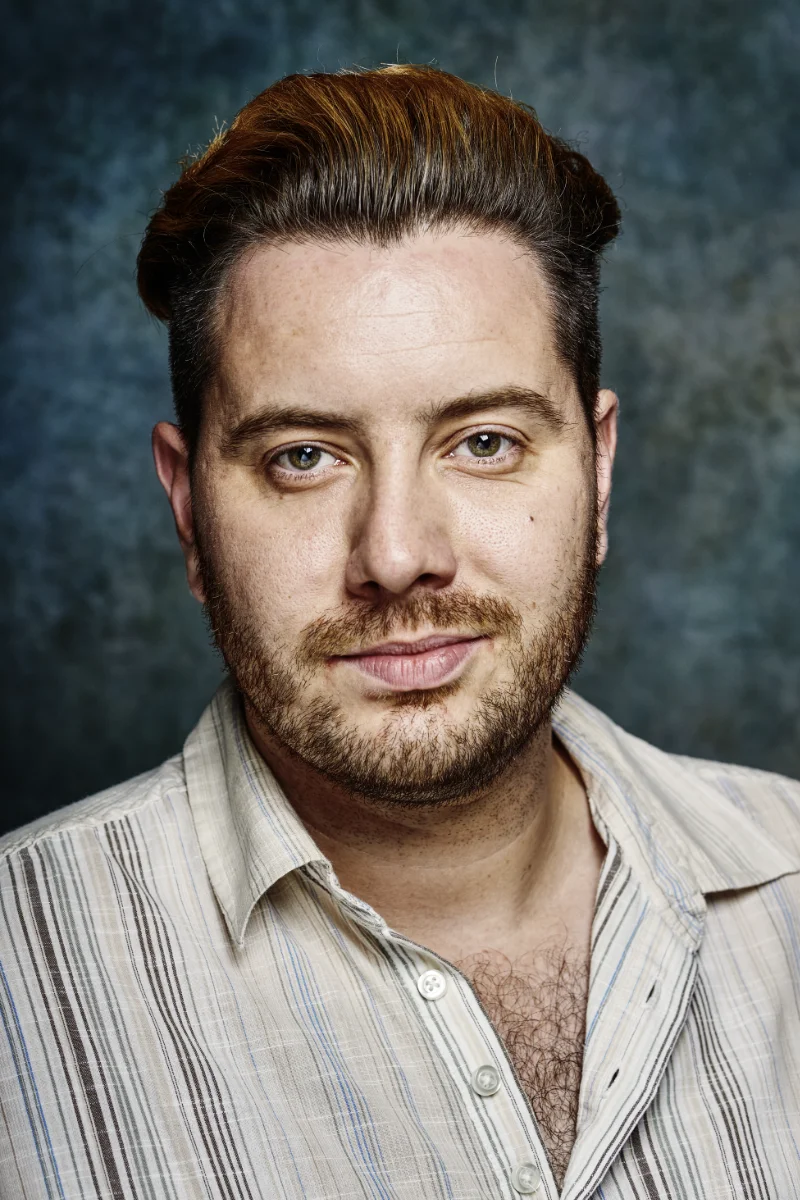
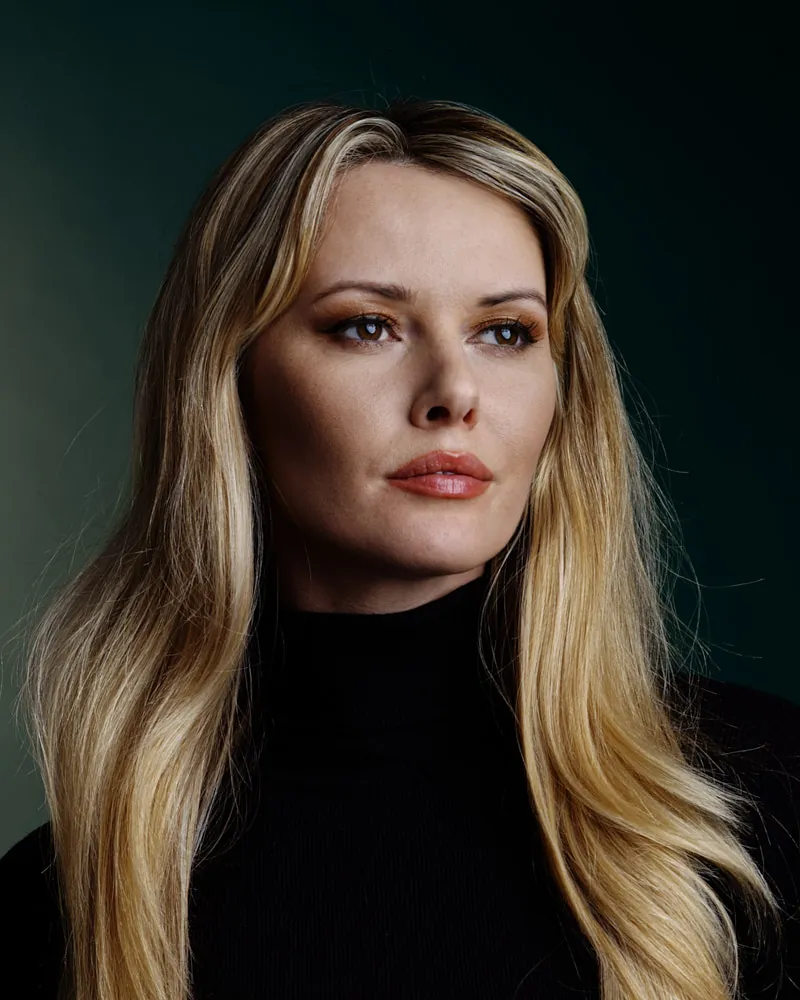
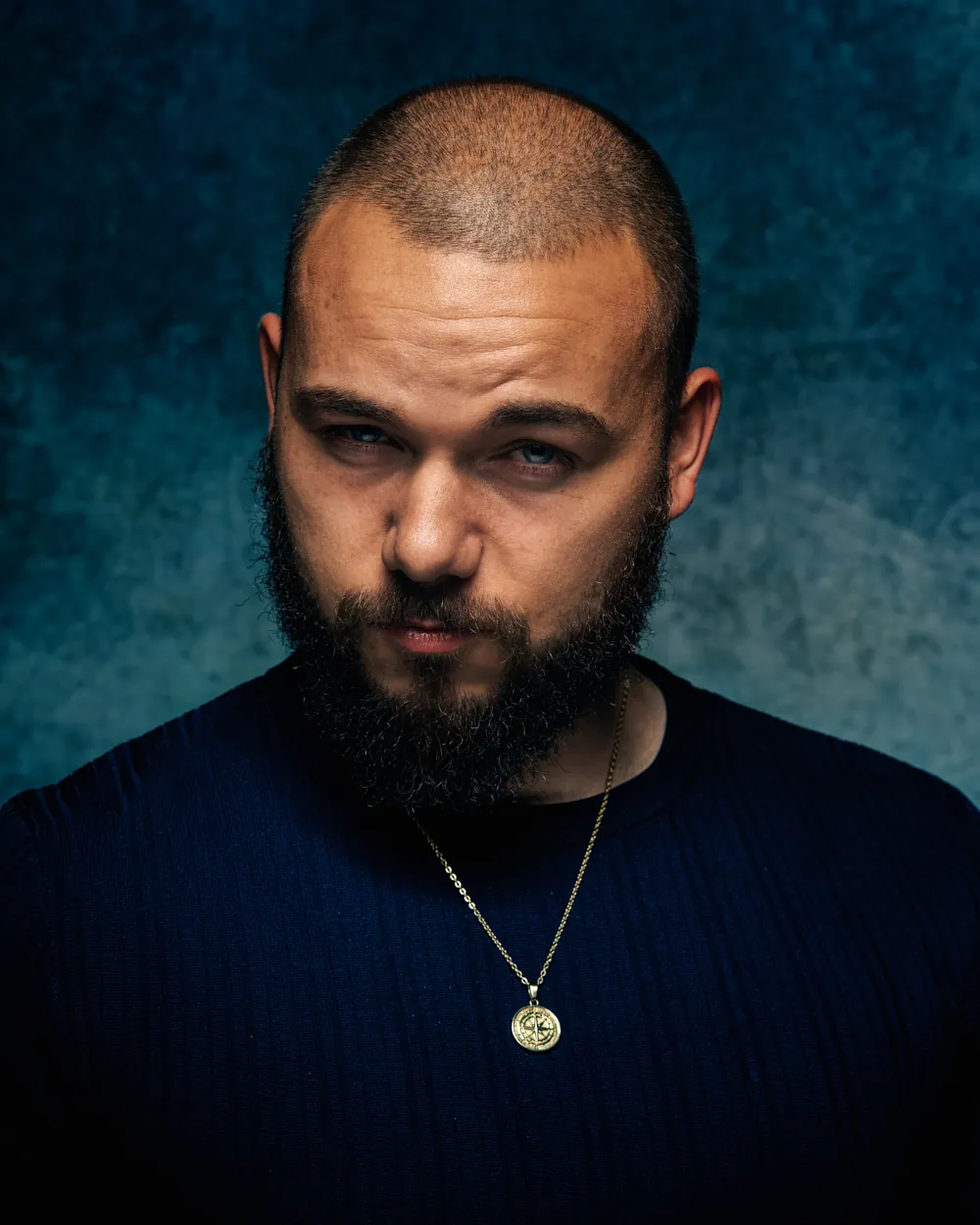
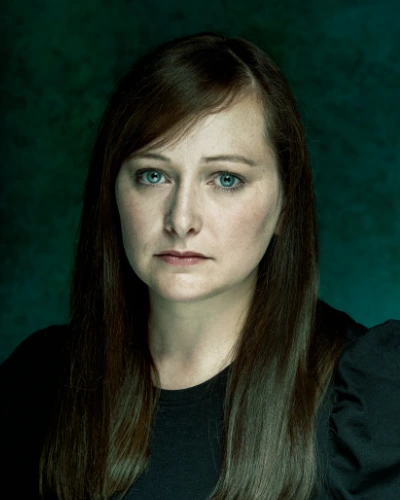
Fifteen of the monks and their stories are gathered together as an online exhibition: each man in his own frame, in his own words.
The exhibition is kept out of the search engines and sits behind a password, and the stories in it appear as the monks have agreed them. If you have not been given the password, ask me for it.
Anyone photographed for this project is welcome to a copy of any portrait — email contemporaryheadshot@gmail.com.
Stage the exhibition
The portraits and the stories travel as a physical exhibition: galleries, libraries, festivals and community spaces. If you would like to show Faith, the whole exhibition or a selection of it, get in touch.
The button opens an email to contemporaryheadshot@gmail.com.
Where the project is going
My intention is to add more people and religions to the project over time. My focus will be on Christianity, and I will attempt to include as many different denominations within the broader faith — Catholicism, Protestantism, Orthodoxy and Anglicanism — and I may explore beyond Christianity in the future, learning from Buddhism, Hinduism, Sikhism and Judaism.
Made with Worth Abbey
Faith is photographed at Worth Abbey in Sussex, with the monks of its Benedictine community: the men in these photographs live and pray there, and each story appears as its subject has agreed it.
“Faith is the bedrock on which I walk, and I attempt to use it as the lens through which I approach the questions of life”
Modern headshot photography in London